Where to Find Authentic Jerk and Jamaican Food in Denver
Finding truly satisfying Jamaican food in Denver takes a little more intention than finding tacos, ramen, or barbecue. The city has grown into a serious food town, but Caribbean cooking still lives in a smaller lane here, often sustained by family-run kitchens, side-street takeout counters, caterers, and food trucks rather than flashy dining rooms or heavy marketing. That is not a drawback. In my experience, it is often a clue.
If you are chasing authentic jerk and Jamaican food in Denver, the first thing to understand is that the best meals may not come from the places with the slickest branding. They are more likely to come from cooks who care deeply about spice balance, smoke, patience, and the small details that make the plate feel right, rice that is not dry, cabbage with some bite left, gravy that tastes developed rather than rushed, and jerk that is more than chicken painted red with bottled sauce.
Denver’s Jamaican food scene is not huge, but it is better than many people assume. You just have to know how to look, what to order first, and how to tell the difference between a place that serves a Jamaican-inspired combo and one that understands the backbone of the cuisine.
What authentic jerk should taste like
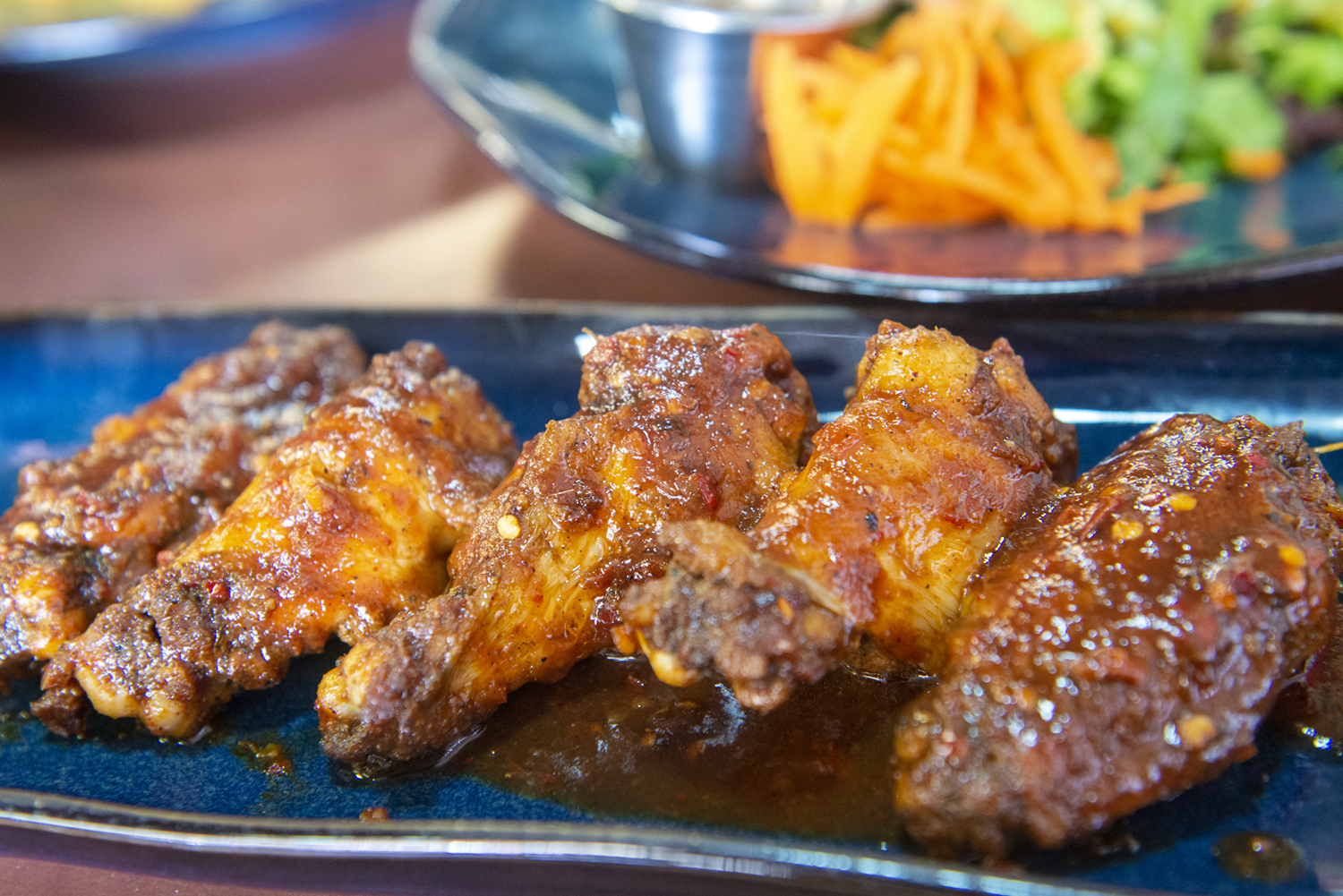
A lot of disappointment starts with expectations shaped by shortcuts. Real jerk is not simply “spicy grilled chicken.” It should hit several notes at once. Heat matters, but so do pimento, thyme, scallion, garlic, ginger, sweetness, smoke, and a little bitterness from char. The best jerk has layers. It should smell lively before you even take a bite. The seasoning ought to penetrate the meat, not sit on top of it like a glaze.
Traditional jerk cooking also relies on technique. In Jamaica, the classic approach involves slow cooking over pimento wood, often with the meat covered or enclosed so it smokes and roasts at the same time. Denver restaurants do not always have the setup to reproduce that exactly, especially with local permitting and commercial kitchen limits, but good cooks find ways to get close. You want smoke, not just chile powder. You want tenderness without the meat turning mushy. You want the edges to darken and caramelize.
That is why the first bite tells you almost everything. If the chicken tastes aggressively salty, one-dimensional, or sugary, the kitchen probably leaned on a commercial shortcut. If it tastes earthy, fragrant, spicy, and a little wild around the edges, you are in better hands.
Why Denver can still surprise you
People often assume the strongest Caribbean food scenes are limited to cities with larger Jamaican populations, places like New York, South Florida, Toronto, or London. That is mostly true. Denver does not compete on scale. What it does offer is something more intimate. Small operators here often cook for a mixed audience of Jamaican diners, Caribbean transplants, military families who spent time abroad, and local eaters who learned what good jerk should be from travel. That creates a useful kind of pressure. You cannot fake your way through a plate of oxtail when the room includes people who grew up on it.
Another factor is Denver’s broader food culture. The city has become more adventurous over the past decade, and diners are more willing to hunt for specific regional dishes than they once were. That helps cuisines like Jamaican food. A kitchen does not need to water things down quite as much as it might have in the past. Heat levels can stay bolder. Menus can include goat, oxtail, ackee-based specials, or soups that are not written for the timid.
The challenge is that Jamaican food in Denver is spread out. You are not walking into a single neighborhood where three great options sit on the same block. More often, you are driving to a strip mall in Aurora, following a food truck schedule, or catching a vendor at a market, brewery pop-up, or summer festival.
The metro areas worth checking first
If you are trying to narrow the search, start east and southeast before you write the whole city off. Aurora has long been one of the most diverse parts of the metro, and that shows up in its food. It tends to be where many immigrant-run businesses can find affordable space, loyal local customers, and enough freedom to cook for their own communities first. When people ask me where to begin the search for jamaican food denver style, I usually tell them not to focus only on downtown.
South of central Denver, you will also find some of the better-known Caribbean restaurants in the wider metro, sometimes closer to suburban office corridors than trendy neighborhoods. That can throw people off. They expect “authentic” to show up in an old brick storefront or in an arts district. In reality, some of the strongest plates come from places tucked between nail salons, smoke shops, and tax offices.
Food trucks are another important piece of the map. Denver’s mobile food culture gives Jamaican cooks a practical route into the market, especially if opening a full restaurant is too expensive. A truck can also preserve the style of service that suits the food, generous portions, straightforward packaging, and a shorter menu done well.
What to look for on the menu first
You can learn a lot from the opening order. If a restaurant has a long menu with every Caribbean stereotype thrown at it, I get cautious. If the menu feels tighter and deeper, that is usually a better sign. A good Jamaican kitchen knows where its strengths are.
These dishes are the best test of a restaurant’s range:
- Jerk chicken should deliver smoke, spice, and real marinade penetration.
- Oxtail should be rich, gelatinous, and slow-cooked until the meat yields without falling apart into string.
- Curry goat should taste of curry, yes, but also onion, thyme, allspice, and long cooking rather than raw spice paste.
- Rice and peas should have coconut depth and proper seasoning, not just white rice with kidney beans stirred in.
- Patties should have flaky crust and a filling that still tastes distinct, whether beef, chicken, or vegetable.
If a place nails at least three of those, I pay attention. If it misses on all of them, I do not care how charming the branding is.
Signs a Denver Jamaican spot is the real thing
Authenticity is a loaded word, and food people often overuse it. Cuisines travel. Recipes adapt. Ingredients shift depending on supply, budget, altitude, and equipment. So I do not mean that every serious Jamaican kitchen in Denver must replicate a roadside stand in Montego Bay or Kingston exactly. That would be a shallow standard.
What matters more is whether the cooking reflects understanding. Does the jerk taste built from fresh seasoning, not from a factory bottle? Is the gravy on the oxtail dark, savory, and slightly sweet from time https://judahxsas395.opalvector.com/posts/your-guide-to-delicious-jamaican-food-in-denver and browning? Does the cabbage side taste like someone thought about the whole plate rather than treating vegetables as decoration? Do the cooks know when to keep things rough-edged and when to refine them?
Service can be a clue too. In many of the best Caribbean spots, the pace is not rushed in the American fast-casual sense. Food may be portioned generously. Specials may run out. You may need to ask what is freshest that day. That is not poor organization. Often, it means the kitchen cooked a finite amount of what it could make properly.
I trust a place more when the menu is willing to say no. If they ran out of oxtail at 6:30 p.m., that may be frustrating, but it also means they did not stretch yesterday’s leftovers past their prime.
Denver’s best bets are often modest
The best Jamaican food in Denver is rarely wrapped in luxury. It often comes in a styrofoam clamshell, with foil over the plantains and gravy creeping toward the rice before you get home. That is part of the pleasure. Jamaican food is deeply tied to takeout culture, lunch counters, and practical hospitality. It should travel well. In fact, some dishes improve after ten minutes in the container, when the steam settles and the flavors meet.
That is why I tell people not to overvalue dining room aesthetics. If the jerk is excellent but the lighting is harsh and the furniture is basic, you are still winning. Too many diners in Denver judge a global cuisine by whether the room looks designed for Instagram. Jamaican cooking asks for a different standard. Judge the smoke, the spice, the tenderness, the gravy, the balance, and whether the sides feel integral.
I have had better plantains from a plastic fork in a parking lot than in plenty of polished restaurants serving “island-inspired” plates with microgreens and no soul.
A realistic way to search the Denver scene
Because the Jamaican restaurant landscape can change quickly, a practical search strategy matters. Some businesses keep irregular hours. Some do stronger lunch trade than dinner. Some are best through catering or event appearances rather than walk-in service.
A smart approach looks like this:
- Check recent customer photos, not just star ratings, to see whether jerk has real char and whether portions still look current.
- Look for evidence that Jamaican staples are prepared consistently, especially oxtail, curry goat, patties, and rice and peas.
- Follow restaurant or food truck social pages for specials, location changes, and sold-out notices.
- Ask whether the kitchen makes house sauces and marinades, which often tells you more than a polished menu ever will.
- Go at peak times when turnover is high, usually lunch or early dinner, instead of arriving right before close.
That last point matters more than people think. Jerk chicken sitting under a heat lamp for hours tells you almost nothing about a restaurant’s real quality. Fresh off the grill or out of the pan, it tells you everything.
How Denver’s altitude and supply chain affect the food
This is one of those details that outsiders rarely consider. Cooking Caribbean food in Colorado comes with constraints. Fresh produce availability shifts. Specialty ingredients may arrive inconsistently. Certain peppers are easier to source some months than others. Meat costs can be volatile, especially for cuts like oxtail, which have become dramatically more expensive across the country.
Altitude also changes cooking behavior, especially for braises, rice, and moisture retention. A cook who understands their equipment and Denver conditions can still produce beautiful food, but it takes adjustment. That may be one reason some local Jamaican kitchens emphasize jerk chicken, patties, and braised dishes over a much broader menu. It is not always limitation. Sometimes it is discipline.
That discipline is worth respecting. A restaurant that chooses to serve six things very well is often more trustworthy than one offering twenty dishes of uneven quality.
What separates a good plate from a great one
The difference is rarely the headline item alone. Plenty of restaurants can make a decent piece of chicken. Great Jamaican cooking shows itself in the supporting cast.
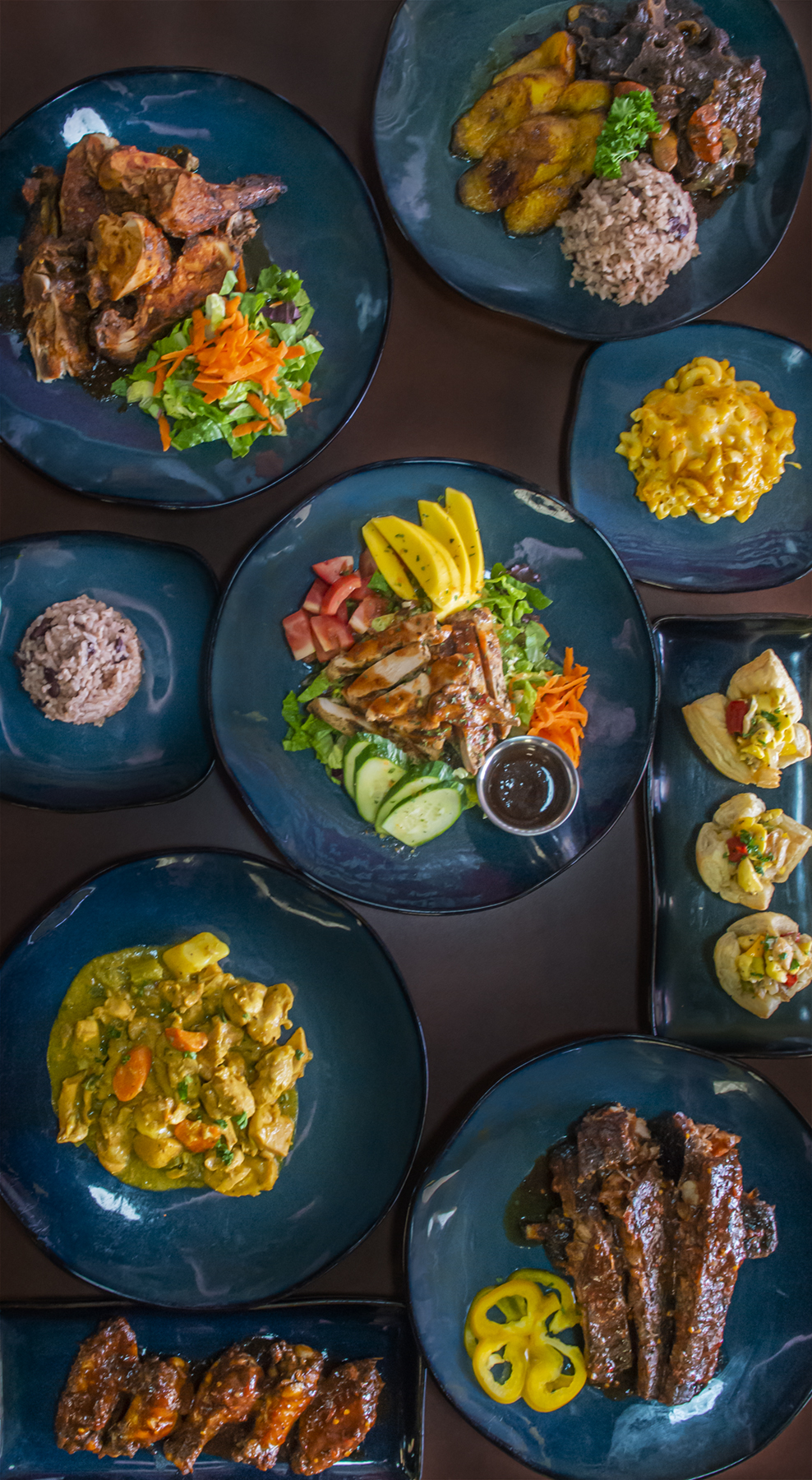
Rice and peas should taste seasoned enough to eat by itself. The beans should feel integrated, not tacked on. Cabbage should bring freshness and relief, especially against the heat of jerk. Plantains should be sweet and soft, with edges that caramelize but do not burn into bitterness. Festival, when offered, should be lightly sweet and comforting, not greasy and heavy. Sauce matters too. A good jerk sauce can add brightness and fire. A bad one bulldozes the plate.
Texture is another tell. Oxtail should collapse gently under the fork while still keeping shape. Curry goat should not require sawing, but it also should not disintegrate into paste. Patties should flake onto your lap a little. That is part of the compact.
When a Denver spot gets those details right, it deserves repeat business, because those details do not happen by accident.
How to order if you are new to Jamaican food
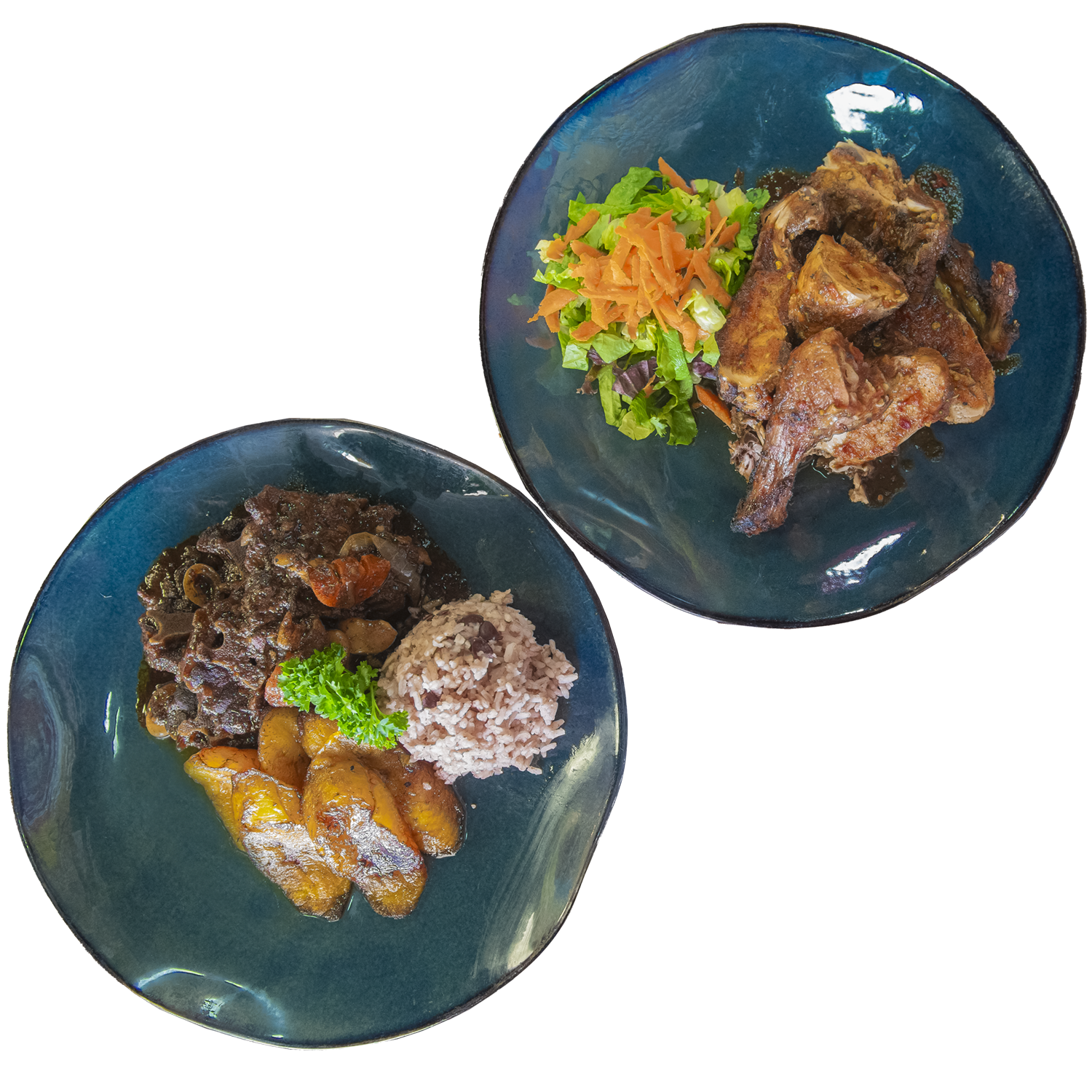
If you are coming to the cuisine for the first time, start with jerk chicken and one braised dish. That pairing gives you contrast. Jerk shows off the spice profile and smoke. Oxtail or curry goat shows patience, depth, and sauce work. Add rice and peas, cabbage, and plantains if they are available. You want the full plate balance.
Do not make the common mistake of ordering only jerk and then judging the whole restaurant on heat level. Jamaican cooking is broader than that. Some of its best qualities are savory, herbal, sweet, and slow rather than aggressively spicy.
If you are sensitive to heat, ask before ordering. A serious kitchen will usually tell you whether the jerk is mild by Jamaican standards, medium for local diners, or something stronger. If they have a bottled hot sauce on the counter, try the food first before drowning it. Good seasoning should stand on its own.
The role of community events and pop-ups
Some of the most memorable Jamaican food in Denver does not come from standard restaurant service at all. Community festivals, summer markets, neighborhood events, and brewery pop-ups can be excellent places to find cooks who are not operating full-time storefronts. That matters because Denver’s overhead can make a permanent location difficult, especially for cuisines with narrower but passionate followings.
Pop-ups also allow more freedom. A cook can focus on one or two signature dishes and serve them at full strength. That often means better jerk, fresher patties, or specials that would never make sense on a daily fixed menu. I have found that Denver diners who care about Caribbean food tend to share these discoveries quickly, often by word of mouth and photos rather than formal reviews.
If you find a vendor that cooks with confidence, support them directly. Buy the extra patty. Return with friends. Ask whether they cater. In cities where a cuisine is still growing, repeat local support matters more than people realize.
A note on fusion and “island-inspired” menus
Denver has its share of restaurants that borrow Caribbean flavors loosely. Some do it well. Some do not. There is nothing wrong with fusion when the cooking is honest and skillful. Jerk wings at a brewery can be delicious. A Jamaican-spiced sandwich can make sense. The problem comes when a menu uses the language of Jamaican food without understanding the form behind it.
You can usually tell within a glance. If the menu turns jerk into a generic adjective for anything spicy, that is a warning. If it treats Jamaican sides as interchangeable filler, same issue. By contrast, a chef who respectfully adapts the flavors will usually be specific. They may talk about marinade, pimento, Scotch bonnet, curry style, braising, or family recipes. Precision suggests care.
If your goal is authentic jamaican food denver options, I would treat fusion as a side quest, not the main event.
Why the search is worth the extra effort
When Jamaican food is done right, it lands in a way few cuisines do. It is bold without being blunt. It can be celebratory and comforting at once. A plate of jerk chicken with rice and peas, cabbage, and plantains can satisfy the same craving for smoke and richness that drives people to barbecue, but with a different set of aromatics and a brighter, more herbal finish. Oxtail brings the kind of deep braised pleasure that cold-weather cities understand instinctively. Patties answer the need for a quick lunch better than half the sandwiches in town.
Denver may not hand these meals to you on every corner, but that scarcity makes the good ones easier to appreciate. When you find a kitchen that gets the jerk right, seasons its rice properly, cooks cabbage with care, and serves braised meat that tastes like someone watched the pot instead of setting a timer and walking away, you remember it.
That is the real answer to where to find authentic jerk and Jamaican food in Denver. You find it by looking past trendier neighborhoods, by respecting modest storefronts, by following food trucks and community events, by ordering the core dishes first, and by trusting the places that cook with patience rather than polish.
Denver’s Jamaican food scene is still compact, but it has substance. If you chase flavor instead of presentation, and if you judge each plate by smoke, spice, tenderness, and balance, you can eat very well here.
Reggae Pot Jamaican Grill
Address: 2243 S Monaco St Pkwy #104, Denver, CO 80222
Phone number: +17204102956
FAQ About Jamaican Food Denver
What is typical Jamaican food?
Typical Jamaican food features bold, vibrant flavors created by blending African, Taino, European, and Asian influences.
What is a famous Jamaican dish?
Ackee and saltfish is Jamaica's national dish, made by sautéing the soft local ackee fruit with salted cod, onions, tomatoes, and spicy Scotch bonnet peppers.
What food is most popular in Jamaica?
The most popular and famous food in Jamaica is Jerk Chicken, celebrated worldwide for its smoky, spicy flavor.